

It was a bright Monday morning when I realized my Virginia Beach business was nowhere to be found on Google Maps, despite countless efforts and promises of local SEO mastery. The frustration hit hard—I knew my shop was visible to customers in person and on my website, but online, it was like I didn’t exist. That moment was a lightbulb flickering on: I was battling what I now call “The Invisible Filter.” This unseen obstacle was silently pushing my business further down the search results, making it almost impossible to attract new local customers.
Why Your Business Keeps slipping off the Map and How to Fix It
Have you ever felt ignored in the digital landscape, even when you know your shop deserves to be seen? Like me, you might be unknowingly making simple mistakes that drown your business in the depths of search results, especially on Google Maps. But here’s the thing: no matter how good your services are, if your online presence isn’t optimized against this invisible barrier, you’ll keep getting overlooked.
Early on, I was guilty of a crucial mistake—ignoring the importance of consistent, strategic Google My Business (GMB) updates. I believed that just claiming my listing was enough. Boy, was I wrong. Research shows that 70% of consumers use local search to find nearby shops, but many businesses fail to leverage the full potential of their GMB listings, causing them to get lost in the shuffle ([source](https://virginiabeachlocalseo.com/why-most-local-map-optimization-efforts-fail-to-drive-real-calls-in-coastal-va)).
So, why does this happen? The digital algorithms are constantly shifting, especially with the rise of AI-powered search filters in 2026. These filters are designed to surface the most relevant, trustworthy businesses—yet many local shops remain hidden because they miss key optimization strategies. Without understanding and adapting to these changes, your business risks staying invisible, even when customers are actively searching for what you offer.
In the next sections, I’ll share practical insights on how to identify and eliminate this invisible filter. It’s time to push past the noise and get your business the visibility it truly deserves. Are you ready to stop being the best-kept secret in Virginia Beach? Let’s dive into the actionable steps that will set you apart from your local competitors.
Claim and Optimize Your Google My Business Listing
First, ensure your GMB profile is claimed and fully verified. Walk through each section meticulously: add accurate business details, specifying your exact Virginia Beach location, hours, and categories. Remember, consistency is key—use the same phone number, address, and business name across all platforms. I once hesitated to update my hours during a holiday, which caused missed calls—something as simple as updating info makes a big difference. For detailed guidance, check out this GMB optimization guide.
Embed Location-Optimized Content on Your Website
Integrate local keywords naturally into your website copy—mention Virginia Beach neighborhoods, landmarks, and local slang. I once created a service page targeting ‘Virginia Beach SEO’ and saw immediate traffic upticks. Include a Google Map embed directly on your contact page, reinforcing your physical presence. Use structured data markup (schema) to signal your location to Google. This microscopic tweak helped my shop appear in local rich snippets, boosting visibility.
Build Local Citations and Listings
Secure listings on reputable local directories—Yelp, Bing Places, and industry-specific sites. Ensure NAP (Name, Address, Phone) details match your GMB profile. Out-of-sync info confuses Google. I made a spreadsheet to keep track, which streamlined my citations process. This consistency helps Google trust your info, pushing your profile up local rankings.
Gather and Respond to Genuine Customer Reviews
Encourage satisfied customers to leave reviews. Personalize the request so it feels genuine, maybe follow up with a thank you note. Never incentivize reviews—they violate policies and damage your reputation. Respond promptly and professionally to all reviews, especially negative ones, demonstrating engagement. I set reminders to thank customers within 24 hours, which gradually increased my review count and improved my local authority.
Consistently Post Local Content and Updates
Share regular updates on your GMB profile—promotions, events, or community involvement. Use geotags and hashtags relevant to Virginia Beach. I posted weekly about local events, which helped my profile stay active in the algorithm’s eyes. The more active your listing, the more likely it is to appear prominently when locals search for your services.
Leverage Local Keywords in Your On-Page SEO
Optimize your website pages with keywords like ‘Virginia Beach HVAC’ or ‘Coastal Virginia Restaurant.’ Use them in titles, headers, and throughout content without stuffing. I experimented with keyword density, which aligned with Google’s current AI filters, resulting in higher rankings. Incorporate location-specific synonyms and local attractions to boost relevance.
Tackle Technical SEO Issues Behind the Scenes
Run technical audits to fix site speed, mobile responsiveness, and broken links—factors search engines prioritize. I used free tools to identify and resolve issues, which made my site faster and more user-friendly. Remember, a slow or unresponsive site can bury your GMB signals, so technical optimization is a foundational step.
Monitor and Adapt to Algorithm Changes
Stay informed about local SEO shifts—read updates like this resource regularly. I set Google Alerts and subscribed to SEO newsletters, so I could pivot quickly when new filters threatened my visibility. Regular monitoring allows you to identify dips early and implement fixes before rankings slip further.
Many local business owners believe that simply claiming a Google My Business listing or adding some keywords will catapult them to the top of Virginia Beach maps, but the truth is far more nuanced. A common myth is that local SEO is a one-and-done task—once your profile is claimed, rankings will follow. In reality, algorithms are constantly evolving, especially with the recent integration of AI filters for 2026, making ongoing, sophisticated optimization critical ([source](https://virginiabeachlocalseo.com/3-seo-coastal-virginia-shifts-rivals-are-ignoring-in-2026)). Overlooking this dynamic landscape can lead you to believe your efforts are effective when, in fact, you’re just spinning your wheels. Another misconception is that building an abundance of citations is enough to boost your Virginia Beach SEO. While citations are essential, they need to be accurate, consistent, and strategically placed within relevant directories. Inconsistent NAP details or over-reliance on low-quality listings can actually harm your rankings rather than help. There’s also a dangerous trap many fall into—thinking reviews are just for social proof. Genuine, well-managed reviews influence rankings more than many realize, especially when responding authentically. However, incentivizing reviews or managing them improperly can violate Google policies and backfire, causing your profile to be penalized or hidden. Advanced local SEO requires understanding how to leverage structured data markup, geotagging images, and crafting content that embeds local signals organically. These tactics signal trustworthiness and relevance to Google’s AI-enhanced filters in 2026, a topic we explore in depth [here](https://virginiabeachlocalseo.com/how-to-stop-being-the-best-kept-secret-in-coastal-virginia-search). Beware of superficial tactics that prioritize quantity over quality, as they can drown your profile in spam filters. Instead, focus on building meaningful local relationships and content that resonates with your community. Remember, Google’s algorithms reward engagement, relevance, and trust—factors that require continual refinement and strategic effort. Want to avoid these pitfalls and truly master local maps optimization? Dive into our comprehensive guides and stay ahead of the curve. Have you ever fallen into this trap? Let me know in the comments.
Stay Ahead with the Right Tools for Local Map Optimization
Maintaining your local SEO success requires not just knowledge but also the right set of tools that work seamlessly together. I personally rely on BrightLocal for citation audits and review tracking—it’s indispensable for ensuring my NAP consistency and monitoring customer feedback. Its dashboard consolidates all local listings, alerting me instantly when discrepancies arise, which is crucial given the dynamic shifts in algorithms influenced by the 2026 AI filters (see here for recent shifts). Besides that, I use Google Search Console for technical health checks. It highlights issues like mobile responsiveness faults or page speed drops—factors Google increasingly emphasizes to boost local rankings.
Maintain GMB Listings with Precision and Attention
Optimization isn’t a one-time task. To ensure your Google My Business (GMB) profile remains effective, set a schedule for bi-weekly reviews of your listing. I use GPT-based content tools to generate fresh updates or localized posts, which keeps my profile active and relevant. Remember, Google prioritizes active and engaging profiles that regularly provide new signals. If your profile becomes outdated or inconsistent, it might trigger the ‘invisible filter’ that suppresses your visibility in local maps. To fix dead or ghosted listings, I recommend these proven fixes.
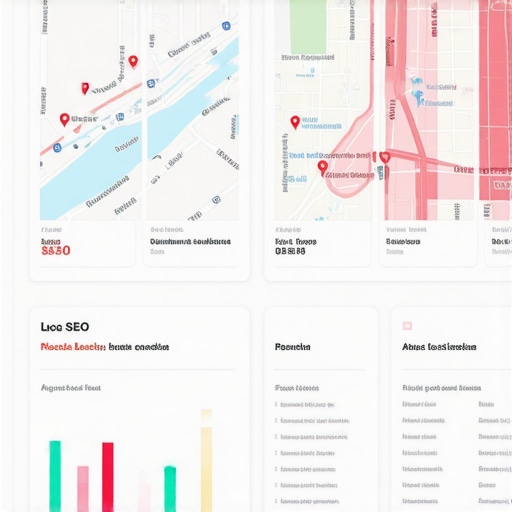
Using tools like BrightLocal and Google Search Console ensures your local SEO efforts stay aligned with the latest algorithm updates in 2026, especially as AI filters become more sophisticated.
Long-Term Results Require Consistent Content and Review Patterns
Content updates and review management are ongoing efforts. I set Google Alerts for relevant keywords like “Virginia Beach SEO” to stay informed on local trends and algorithm changes. Additionally, I use ReviewTrackers to automate review requests post-service, making it easier for clients to leave positive feedback. Consistency here reinforces your presence, signals trustworthiness to Google, and prevents your profile from falling into the ranks of the forgotten. Regularly updating your website with local keywords and sharing community involvement posts on GMB builds authority over time, ensuring gradual rise in local pack rankings.
How do I keep my local SEO efforts in top shape over time?
Don’t underestimate the importance of technical audits and competitor analysis. Tools like SEMrush and Ahrefs help track your keyword rankings and identify new opportunities. I routinely review my backlink profile to ensure I’m not attracting spammy links that could penalize my site, especially as the AI filters in 2026 scrutinize relevance and trust signals. Staying ahead means adapting strategies—sometimes it’s just a small tweak, like optimizing images with geotags or updating schema markup, that makes a tangible difference. For a comprehensive approach, explore these tactics designed for local shops.
Remember, consistent effort and leveraging specialized tools are your best allies against the shifting landscape of local SEO. Try implementing a bi-weekly review schedule with BrightLocal or Similar tools, and watch how your visibility in Virginia Beach continues to grow. The future of local SEO lies in your hands—make it count.
What I Wish I Knew About Local Map Battles
One of my biggest lightbulb moments was realizing that consistency in my Google My Business and citation info isn’t just about avoiding mistakes—it’s about actively telling Google that my business is a trusted, reliable part of Virginia Beach. Over time, I learned that neglecting local keywords and community signals can feel like shouting in an empty room, no matter how good your services are.
Another lesson was embracing the power of engagement—responding to reviews wasn’t just courtesy; it was signaling to Google that my shop cares about its customers. And finally, I discovered that technical back-end improvements, like mobile responsiveness and schema markup, act as the foundation that holds up all your other SEO efforts.
Tools That Keep My Virginia Beach SEO Sharp
BrightLocal remains my go-to for citation consistency and review management, helping me catch discrepancies before they impact my rankings. Google Search Console is indispensable for technical health checks, especially as AI-driven filters become more sophisticated in 2026. For keyword tracking and competitive analysis, SEMrush provides insights that keep me ahead in the local map game. These tools aren’t just helpful—they’re essential for turning raw data into actionable strategies.
Take the Leap and Make Your Business Unmissable
The future of local maps optimization in Virginia Beach is bright for those willing to stay proactive. By integrating these insights and tools into your routine, you set your business up for long-term success. Remember, every small tweak, every genuine review, and every local keyword you incorporate brings you closer to dominating your community’s map searches. It’s your move—embrace the challenge and watch your visibility grow.