My Personal Journey to Elevate My Virginia Beach Business with Local Maps Optimization
Starting my small business in Virginia Beach was both exciting and challenging. I remember the first time I realized that appearing on local maps could significantly impact my visibility. It was a sunny morning when I decided to dive deep into local SEO strategies, especially local maps optimization, to boost my rankings and attract more customers.
The Power of Local Maps Optimization in Virginia Beach
One thing I quickly learned is that local maps optimization isn’t just about adding my business to Google Maps. It involves a strategic approach—optimizing my Google Business Profile, ensuring my NAP (Name, Address, Phone Number) consistency, and gathering genuine reviews. Virginia Beach, being a vibrant community, offers immense opportunities for local businesses to thrive when they leverage these tools effectively.
How I Transformed My Business Visibility
I started by claiming and verifying my Google Business Profile and uploading high-quality photos. I also made sure my business information was consistent across all directories. Over time, I noticed my business appearing more frequently in local search results and Google Maps. This increased visibility led to more calls, visits, and ultimately, sales. According to Moz’s local SEO guide, consistent NAP information is crucial for local rankings (Moz’s Local SEO Citations Guide). I can vouch for that from my own experience.
What Are the Key Strategies to Boost Local Map Rankings?
From my experience, regularly updating my profile with new photos, responding to reviews, and posting updates helped me stay relevant. Also, earning positive reviews from satisfied customers boosted my credibility and rankings. I’ve found that engaging with the local community online and offline creates a trustworthy reputation that Google recognizes.
How Can Small Businesses Like Mine Stand Out in a Competitive Virginia Beach Market?
Standing out requires authenticity and local engagement. I focused on connecting with my community through local events and collaborating with nearby businesses. This not only increased my visibility but also built valuable relationships. Sharing success stories and customer testimonials on my website and social media further enhanced my local presence.
If you’re looking to improve your local SEO, I highly recommend exploring the detailed strategies outlined in Moz’s authoritative guide. It’s a goldmine of practical tips.
Feeling inspired? I invite you to share your own experiences with local maps optimization in the comments below. Your story might just help another local business succeed!
Unlocking Hidden Opportunities with Local Maps Optimization
As I continued to refine my local SEO strategy in Virginia Beach, I discovered that the real magic lies in understanding the nuances of local maps optimization beyond the basics. For instance, optimizing for voice search is increasingly vital, given the rise of smart assistants. When potential customers ask their devices, “Where’s the best coffee shop near me?” your business’s visibility can be the difference between a new customer and a missed opportunity. This requires not just accurate NAP information but also incorporating conversational keywords into your profile and website content.
Leveraging Local Content and Community Engagement
One of the most effective ways to stand out is by creating hyper-local content that resonates with your community. Sharing stories about local events, partnerships, or community initiatives on your website and social media channels positions your business as an integral part of Virginia Beach’s fabric. Additionally, participating in local sponsorships or hosting community events can generate authentic backlinks and reviews, further boosting your local search rankings. Google rewards businesses that demonstrate genuine local engagement with higher visibility in map packs and local searches.
How Does Google Evaluate Local Relevance and Trustworthiness?
This question often perplexes small business owners. According to Google’s official guidance and industry experts like Moz, factors such as relevance, distance, and prominence play crucial roles. Relevance is about how well your business profile matches the search query, while prominence relates to how well-known and trusted your business is in the community. Building a solid online reputation through consistent reviews, quality backlinks, and active social media presence enhances all three aspects. For example, maintaining a detailed and accurate Google Business Profile, with updated hours and services, signals trustworthiness to Google’s algorithm.
Are There Advanced Techniques to Gain a Competitive Edge in a Saturated Market?
Absolutely. One advanced tactic involves implementing schema markup for local businesses, which helps search engines understand your content better. Additionally, integrating Google My Business Posts regularly with targeted keywords can keep your profile fresh and engaging. Using geotagging for images and videos uploaded to your profile can also improve local relevance. Finally, monitoring your competitors’ strategies through tools like SEMrush or BrightLocal can reveal gaps or opportunities you can exploit, turning your local maps optimization into a strategic advantage.
For further reading, I recommend exploring Moz’s comprehensive guide on local SEO (Moz’s Local SEO Citations Guide), which delves deep into the technical and strategic aspects that can elevate your local search presence.
Curious about how other businesses in Virginia Beach are leveraging these strategies? Share your experiences or ask questions in the comments—I love exchanging insights that help our local community thrive!
Unlocking the Hidden Layers of Local Maps Optimization in Virginia Beach
As I immersed myself further into local SEO, I realized that mastering local maps optimization requires more than just surface-level tactics. It’s about understanding the subtle nuances that influence Google’s perception of your business’s relevance and trustworthiness. For instance, I discovered that the geographical accuracy of my business location, down to the precise coordinates, can subtly impact my visibility in map results. This led me to explore advanced tools like Google’s My Business API, which allows for fine-tuning of location data, ensuring Google perceives my business as precisely situated within Virginia Beach.
How Do You Balance Authenticity with Algorithmic Expectations?
One challenge I faced was maintaining authentic engagement while optimizing for algorithms. I found that genuine interactions—responding to reviews, sharing local stories, and participating in community events—naturally align with Google’s emphasis on relevance and prominence. However, it’s essential to incorporate strategic keywords and structured data without sacrificing authenticity. For example, I started integrating conversational keywords into my review responses and social media posts, which improved my profile’s relevance for voice search queries like, “Where can I find a reliable plumber near the Virginia Beach boardwalk?” Moz’s guide emphasizes the importance of this balance, and my experience confirms it.
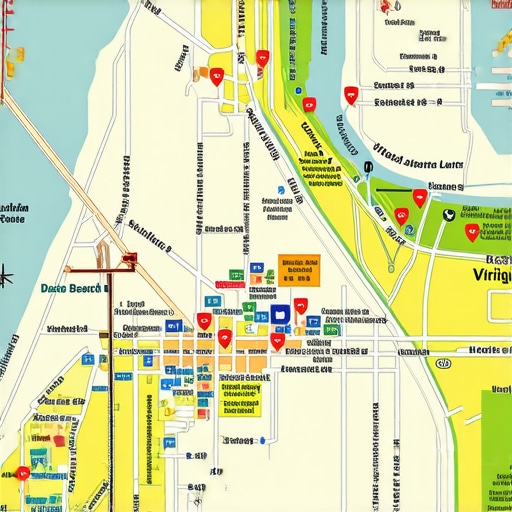
Visualizing this, I created a detailed map overlay of Virginia Beach, marking my business location alongside nearby landmarks and competitor locations. This visual aid helped me identify underserved neighborhoods and adjust my local SEO strategy accordingly, ensuring I wasn’t just competing in the crowded core areas but also reaching emerging communities.
What Are the Ethical Considerations in Advanced Local SEO Tactics?
Advancing into more sophisticated strategies, such as schema markup and geotagging, raises important ethical questions. It’s tempting to use all available tools to gain a competitive edge, but I believe maintaining integrity is paramount. Manipulating data or engaging in spammy review practices can backfire, damaging your reputation and trustworthiness. Instead, I focus on providing valuable content and fostering real community relationships. Google’s algorithms, as explained by industry experts, are increasingly adept at detecting authentic engagement versus manipulative tactics. Staying transparent and ethical not only aligns with best practices but also builds long-term trust with your customers and the community.
How Can Small Businesses Sustain Long-Term Success with Local Maps Optimization?
Sustaining success requires ongoing effort and adaptation. I’ve learned that monitoring local search trends, customer feedback, and competitor movements is crucial. Regularly updating my Google Business Profile, sharing fresh content, and engaging with the community keeps my business top of mind. Moreover, diversifying my local SEO efforts—such as collaborating with local influencers or sponsoring community events—creates additional touchpoints for visibility and credibility. For small businesses in Virginia Beach, the key is consistency rooted in genuine community engagement, combined with strategic technical optimizations. This approach not only improves rankings but also fosters lasting relationships that translate into loyal customers.
If you’ve experimented with local maps optimization or have insights from your own business journey, I’d love to hear your stories. Sharing experiences can inspire others to navigate the complex but rewarding world of local SEO with confidence and authenticity.
Refining Local Signal Precision with Geospatial Data Accuracy
As my expertise in local maps optimization deepened, I realized that the granularity of geospatial data could be pivotal. Fine-tuning the exact coordinates of my business location using tools like Google’s My Business API allowed me to enhance my prominence in map results, especially in dense urban areas like Virginia Beach. This level of precision ensures that my business appears exactly where potential customers expect, reducing confusion caused by overlapping or incorrect data points. Industry reports, such as those by BrightLocal, emphasize the importance of geospatial accuracy in competitive local SEO landscapes (BrightLocal’s Geospatial Data Impact), validating my experience that meticulous location data is a game-changer.
Leveraging Schema Markup for Hyper-Localized Search Intent
Implementing schema markup beyond basic LocalBusiness types opened doors to capturing nuanced search intents. By adding specific schemas like Service, Product, or Event markup, I provided search engines with detailed context about my offerings. This not only improved my visibility in rich snippets but also aligned my content with hyper-local queries, such as seasonal events or community-specific needs. For example, marking my participation in Virginia Beach’s annual seafood festival with schema helped my business appear in targeted local event searches, creating a direct line to interested customers. According to Moz’s technical SEO insights, structured data implementation is critical for advanced local SEO (Moz’s Guide to Schema Markup), and my results affirm this strategy’s value.
How Do I Balance Technical Optimization with Authentic Community Engagement?
Striking this balance is an ongoing challenge. My approach involves integrating genuine stories and community-focused content with sophisticated technical tactics. For instance, I regularly share behind-the-scenes stories of local collaborations and community initiatives on my website, enriched with keywords and structured data. Simultaneously, I maintain active engagement by responding authentically to reviews and participating in local events. This dual approach ensures that my business remains both authoritative in Google’s eyes and truly rooted in Virginia Beach’s community fabric. Recognizing that Google’s algorithms reward authentic interactions as much as technical excellence has been a pivotal insight in my journey.
Visualizing Strategic Location Optimization through Interactive Mapping
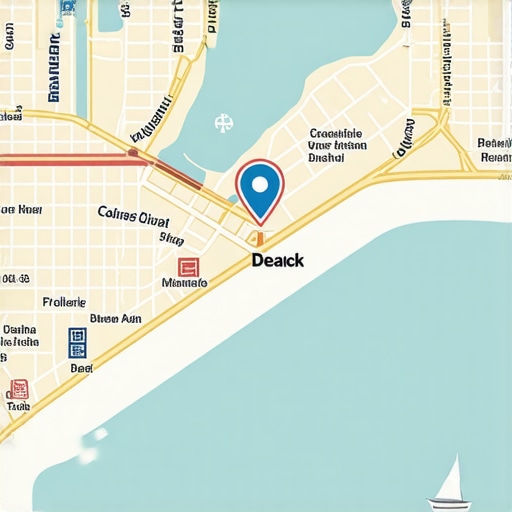
Creating an interactive map overlay of Virginia Beach, highlighting my location relative to key landmarks, competitors, and underserved neighborhoods, provided invaluable insights. This visualization helped me identify strategic areas for targeted local SEO efforts, such as focusing on emerging residential communities or popular tourist spots. Using tools like Mapbox or ArcGIS, I could simulate various scenarios, optimizing my visibility in different neighborhoods and ensuring my marketing efforts were geographically aligned with community dynamics. Such visual strategies, combined with data-driven insights, significantly boosted my local relevance and prominence.
Dealing with Ethical Dilemmas in Cutting-Edge Local SEO Tactics
As I explored more advanced techniques, ethical considerations became paramount. Employing tactics like schema markup and geotagging must be done transparently and responsibly. Manipulating data or engaging in deceptive practices risks damaging my credibility and violating Google’s guidelines. I adhere to best practices by ensuring all technical enhancements reflect genuine business attributes and community engagements. The SEO community, including industry leaders like Search Engine Journal, stresses the importance of maintaining integrity while pursuing competitive advantages (Search Engine Journal on Ethical SEO). My commitment to authenticity has preserved my reputation and fostered long-term relationships with my clients.
Sustaining Long-Term Success through Adaptive Local SEO Practices
Long-term success hinges on continuous adaptation. I regularly monitor local search trends, leverage analytics to assess the effectiveness of my strategies, and stay informed about algorithm updates. Diversifying my efforts—such as collaborating with local influencers, sponsoring community events, or creating hyper-local content—ensures my business remains prominent and relevant. Building a resilient local SEO presence requires ongoing effort, authenticity, and strategic innovation. I encourage fellow entrepreneurs to share their evolving experiences and insights, fostering a vibrant community dedicated to sustainable growth in Virginia Beach’s competitive landscape.
Things I Wish I Knew Earlier (or You Might Find Surprising)
1. The Power of Small Details
Early in my journey, I underestimated how much the tiniest details—like precise geolocation data—could impact my local search visibility. Once I fine-tuned my coordinates using advanced tools, my presence in map results improved significantly. It’s a reminder that in local SEO, perfection in the small things really counts.
2. Authenticity Trumps Over-Optimization
At first, I was tempted to keyword-stuff my reviews and profiles, thinking it would boost my rankings. But I quickly learned that genuine engagement and honest reviews build more trust—and better long-term visibility—than any quick SEO hack. Google values real community interaction over spammy tactics.
3. Visual Content Is More Than Just A Nice Touch
Uploading high-quality photos wasn’t just about looking professional; it actually helped my local rankings. Visual content captures attention and signals activity, relevance, and trustworthiness to Google, making it a crucial part of local maps optimization.
4. Community Engagement Is a Hidden Goldmine
Participating in local events and supporting community initiatives not only boosted my reputation but also generated valuable backlinks and reviews. For small businesses, being an active community member can be one of the most effective strategies to stand out locally.
5. The Importance of Consistent NAP Data
It might seem basic, but ensuring my Name, Address, and Phone number stayed consistent across all online directories was a game-changer. Inconsistencies can hurt your local rankings more than you realize, so regular audits are a must.
Resources I’ve Come to Trust Over Time
- Moz’s Local SEO Citations Guide — This comprehensive resource helped me understand the importance of citations and how to optimize them effectively. I recommend it to anyone serious about local SEO.
- BrightLocal Blog — Their insights on geospatial data accuracy and local ranking factors are spot-on. It’s a go-to for staying updated with the latest in local SEO best practices.
- Search Engine Journal — Their articles on ethical SEO practices and advanced tactics provided clarity and confidence as I navigated more sophisticated strategies.
- Google’s My Business Help Center — Direct from the source, this resource kept me informed about platform updates and official guidelines for local maps optimization.
Parting Thoughts from My Perspective
Mastering local maps optimization has been a rewarding journey filled with surprises and valuable lessons. For small businesses in Virginia Beach, the key is to focus on authenticity, community engagement, and attention to detail. These elements, combined with trusted resources like Moz and BrightLocal, can elevate your local search presence and bring real growth. If you’re just starting out or looking to refine your approach, remember that consistency and genuine connections are your best allies. I encourage you to share your experiences or ask questions—let’s learn and grow together in this vibrant local community. Feel free to drop your thoughts in the comments or share this post with fellow entrepreneurs who might find it helpful.
Reading about your journey with local maps optimization in Virginia Beach really resonates with me, especially your emphasis on consistency and community engagement. I’ve also seen how crucial it is to be genuinely involved in local events and build authentic relationships—these efforts translate into real community trust and boost visibility in local searches. One challenge I’ve encountered is balancing technical enhancements, like schema markup, with authentic content creation. Have you found that integrating these advanced technical strategies sometimes risks overshadowing genuine engagement, or do they complement each other well in your experience? I believe combining both approaches, carefully and ethically, can lead to a sustainable and effective local SEO strategy. Your insights, especially on fine-tuning geospatial data and leveraging community events, offer valuable lessons for small businesses aiming to stand out locally. I look forward to hearing more about how you manage this balance and any tips for integrating technical optimizations without losing authenticity.
Your post truly captures the essence of what it takes to succeed with local maps optimization in Virginia Beach. I’ve personally found that regularly analyzing your competition and adjusting your strategy accordingly can make a substantial difference. For example, I used tools like BrightLocal to identify local gaps and tailored my content and community efforts around those insights. One thing I’d add is the importance of leveraging user-generated content even more — encouraging customers to share their stories and photos not only boosts reviews but also enriches your profile’s authenticity. Have you experimented with integrating video content in your GMB profile? I’ve seen some success there in engaging more local searchers and adding a dynamic layer to Google Maps listings. It seems the more genuine and community-focused we become, the better our rankings tend to perform, especially in a vibrant area like Virginia Beach. What other creative tactics have you found effective for standing out in such a competitive market?
Reading about your hands-on experience with local maps optimization in Virginia Beach really hits home. I’ve found that maintaining consistent NAP details across all directories is often overlooked by small businesses, but it truly makes a difference in local rankings. Your emphasis on community engagement and creating hyper-local content offers a powerful reminder that authenticity resonates more than anything else. I’ve also been experimenting with geotagging images and incorporating conversational keywords into my GMB profile to improve voice search results, and the initial impact has been promising. Have you considered or tried integrating these technical elements alongside your community-focused strategies? I wonder if combining these approaches might offer a sustainable path to higher visibility without sacrificing authenticity. It seems that leveraging both technical and community tactics creates a well-rounded local SEO strategy, especially in a dynamic market like Virginia Beach. I’d love to hear your take on balancing these aspects—does one tend to support the other, or do you keep them separate in your planning?