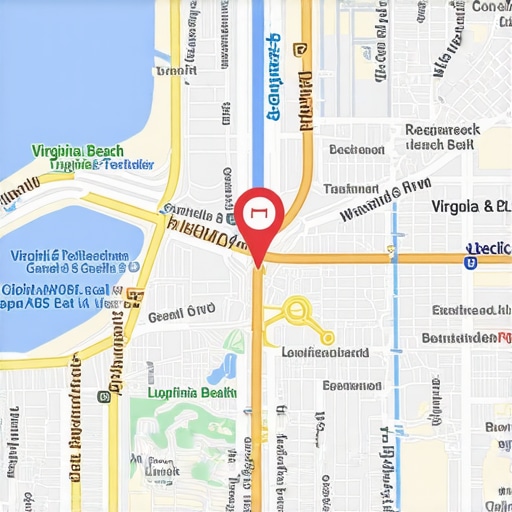
I remember the exact moment I realized my local business was invisible online. I had invested so much time and money into my website, but despite my efforts, my Virginia Beach storefront remained hidden in the shadows of the digital world. Frustration set in. I wondered, “Why isn’t my business showing up when locals search for what I offer?” That lightbulb moment led me down a path of SEO and local map optimization that transformed my business visibility—and it can do the same for you.
Why Local SEO and Maps Matter in Coastal Virginia
Coastal Virginia is a competitive market. Tourists and locals alike rely on Google Maps and local SEO when searching for restaurants, services, or attractions. If your business isn’t optimized for local searches, you’re missing out on a steady stream of traffic that could turn into loyal customers. According to recent studies, over 70% of users click on local results when searching for nearby services (source). That’s a huge opportunity slipping through your fingers if you’re not on the map—literally.
Early on, I made a critical mistake: I assumed that just creating a Google My Business (GMB) profile was enough. Spoiler alert—it’s not. I overlooked the importance of consistent NAP (Name, Address, Phone number) data and neglecting to optimize my listing with targeted keywords. This oversight cost me potential visibility and revenue. But once I learned how to properly boost my local maps presence, everything changed. Today, I’ll share the practical steps that helped me dominate local rankings and attract more coastal traffic.
Is Local Maps Optimization Overhyped?
Many skeptics ask, “Does all this effort really pay off?” I get it. It sounds complex, and I’ve been there. I once believed that SEO was only about keywords and backlinks, not realizing the immense power of local maps. The truth is, local map optimization is a game-changer, especially here in Virginia Beach, where proximity is everything. I’ve seen businesses leap from obscurity to the top of local search results by applying proven strategies, like those outlined in this guide. If you’re tired of being invisible online, it’s time to harness the power of local SEO and maps.
So, have you faced the frustration of watching competitors steal your local traffic? If so, don’t worry—you’re not alone. The good news is, with the right approach, you can turn things around. In the next sections, I’ll walk you through the step-by-step process to optimize your Google My Business profile and dominate coastal Virginia’s local search landscape.
Claim and Verify Your Google My Business Profile
The first step I took was claiming my Google My Business (GMB) profile and verifying it. Think of this as registering your business on the digital map—without it, you’re invisible. When I did this, I received a verification postcard at my Virginia Beach address. It took about a week, but once I entered the code, my business was officially on the map. This step is crucial; without verification, your profile won’t show up in local searches. Learn more about effective GMB strategies here.
Ensure Consistency in Your NAP Data
Next, I made sure my business Name, Address, and Phone number (NAP) were consistent everywhere online. Imagine trying to find a friend whose name and number change with each call—confusing, right? I checked my listings on other directories, social media, and review sites to ensure they matched exactly. Any discrepancy can hurt your local ranking. I used a simple spreadsheet to track all mentions and corrected inconsistencies. This consistency signals to Google that my business information is trustworthy, boosting my visibility. For detailed NAP optimization tips, visit this guide.
Optimize Your Business Description and Categories
Rich, targeted descriptions and relevant categories are like signposts for Google. I edited my GMB profile to include keywords that local customers might search for, such as “Virginia Beach seafood restaurant”. I also selected the most relevant categories—don’t stuff too many; pick the primary one that best describes your core service. I remember updating my description during a slow afternoon; within days, I saw my profile climb in local rankings. Proper keyword integration helps Google understand what your business offers. Explore the best strategies here.
Leverage Local Photos and Videos
Photos and videos are powerful trust signals. I uploaded high-quality images of my storefront, menu, and team, showing potential customers what to expect. I also added a quick video tour, which increased engagement. Google favors profiles with fresh visual content, so I made a habit of updating my gallery monthly. This not only improved my rankings but also boosted customer inquiries. Make sure all images are geotagged and reflect your actual location. For visual content tips, check this resource.
Gather and Manage Customer Reviews
Reviews are the social proof that seals the deal. I actively encouraged satisfied customers to leave reviews, which I responded to promptly. Responding shows engagement and improves your ratings, influencing local search rankings. I learned that reviews with keywords like “great seafood in Virginia Beach” had a positive impact. Be genuine, avoid fake reviews, and address negative feedback professionally. This strategy helped me build credibility and climb the local map results. Discover review management tactics here.
Use Local Links and Citations Wisely
Finally, I focused on building local backlinks by collaborating with nearby businesses and getting listed on reputable directories. Each link and citation acted like a breadcrumb trail guiding Google to my storefront’s digital location. I made sure these citations matched my NAP data precisely. This boosted my local SEO authority and improved my map rankings. I also monitored my listings regularly to avoid outdated or duplicate entries. For proven link-building strategies, visit this page.
Many business owners believe that simply claiming their Google My Business profile guarantees top local rankings. However, this is a misconception. In my experience, there are nuanced factors that most overlook, such as the importance of ongoing engagement and review management. Merely having a profile isn’t enough; consistent updates, responding to reviews, and optimizing every element are crucial to truly dominate local search results.
Another widespread myth is that keyword stuffing in your business description will boost rankings. In reality, Google’s algorithms have evolved significantly. Overusing keywords can actually hurt your rankings and reduce your profile’s credibility. Instead, focus on natural language that clearly describes your services while integrating relevant keywords thoughtfully. For example, instead of awkwardly inserting “best seafood Virginia Beach,” craft a compelling description that flows naturally but still targets those keywords.
Beware of the trap of over-optimizing your Google My Business listing. Excessive focus on keywords and categories can result in a penalty or reduced visibility. Google’s algorithms are sophisticated enough to detect manipulative tactics, and trying to game the system can backfire. Instead, adhere to best practices, such as selecting the most relevant categories and providing genuine, detailed descriptions. This approach aligns with what I’ve found works best in the long run, as outlined in this guide.
How can I elevate my local SEO without falling into common traps?
Focus on creating a balanced and authentic profile. Prioritize quality over quantity—meaning, actively gather genuine reviews, upload high-quality images, and ensure your NAP data is consistent everywhere. Remember, Google values trustworthiness and relevance over superficial optimization. For advanced strategies, exploring this resource can provide deeper insights.
Now, let’s be real—many get caught up in the idea that local SEO is a quick fix. The truth is, it’s an ongoing process that requires attention, patience, and strategic adjustment. Don’t fall into the trap of thinking that once you optimize, the work is done. Regularly updating your profile, managing reviews, and monitoring your competitors’ moves are essential steps to stay ahead. If you’re serious about dominating your local market, continually refine your approach based on data and insights.
Have you ever fallen into this trap? Let me know in the comments. Remember, mastering local maps optimization is about understanding the nuances and avoiding the common pitfalls that could hold you back from reaching your full potential.
How do I keep my local map rankings steady over time?
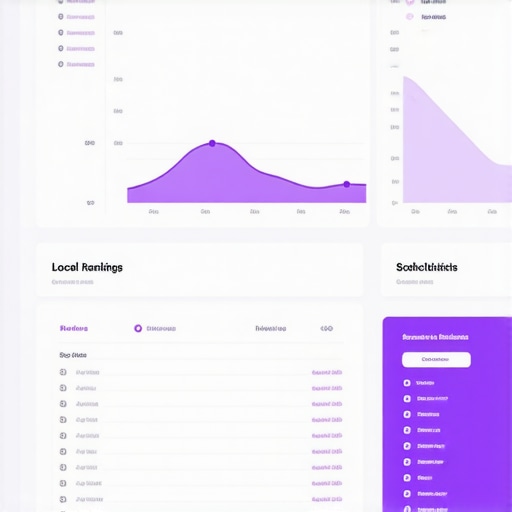
Once you’ve optimized your Google My Business profile and started ranking well locally, the next challenge is maintaining those results long-term. I’ve found that consistency is key, and leveraging the right tools can make this process much more manageable. One essential tool I rely on is BrightLocal. It provides comprehensive local SEO tracking, including ranking fluctuations and citation monitoring. I personally use BrightLocal daily to monitor my rankings across various keywords and locations, so I can quickly address any drops and stay ahead of competitors.
Another indispensable resource is Google Alerts. I set up alerts for my business name and key competitors. This way, I get notified about new reviews, mentions, or potential issues that could impact my local visibility. This proactive approach helps me respond promptly and maintain a positive online reputation, which Google favors heavily in local rankings.
For citation consistency, I use Whitespark’s Citation Finder. It helps me identify new citation opportunities and ensures my existing listings are accurate and uniform across the web. Keeping citations consistent and optimized is vital because inconsistencies can cause ranking fluctuations or even penalties. I regularly audit my citations with this tool to prevent issues before they arise.
Looking ahead, I believe automation and AI-driven tools will become even more integral. Tools like our recommended strategies are already incorporating machine learning to predict ranking trends and suggest optimization tweaks. This means staying on top of local SEO isn’t just about manual efforts anymore—embracing technology will be crucial for sustained success.
To maximize your long-term results, I recommend setting up routine audits using these tools—at least quarterly—to reassess your NAP consistency, review your competitor movements, and optimize your profile based on latest ranking data. This ongoing attention ensures your business remains visible and competitive in Coastal Virginia’s bustling local market. So, try integrating BrightLocal or Whitespark into your routine today and experience firsthand how effective these tools are in maintaining your local map dominance.
The Hardest Lesson I Learned About Local Maps Optimization
One of my biggest lightbulb moments was realizing that claiming my Google My Business profile was just the beginning. I used to think that having a profile was enough, but I learned that ongoing engagement, review management, and consistent updates are what truly boost visibility. This lesson taught me that local SEO is a continuous process, not a one-time setup.
3 Myths About Local SEO That Held Me Back
For a long time, I believed that keyword stuffing and overly optimized profiles would skyrocket my rankings. It wasn’t until I understood Google’s evolving algorithms that I realized authenticity and relevance matter more. Avoiding these myths helped me build a trustworthy profile that attracts genuine customers and maintains high rankings over time.
What Experts Won’t Tell You About Maps Optimization
Many overlook the importance of citation consistency across all platforms. I found that regular audits using tools like Whitespark’s Citation Finder can prevent ranking drops caused by outdated or duplicate entries. This behind-the-scenes effort is crucial for maintaining a dominant local presence in Virginia Beach and beyond.
My Essential Toolkit for Local SEO Success
My go-to tools include BrightLocal for tracking rankings and citations, Google Alerts for monitoring mentions, and Whitespark for citation management. I trust these because they provide actionable insights that keep my business ahead of competitors and help me adapt my strategy effectively.
Where to Go from Here
If you’re serious about elevating your local SEO, start by claiming and verifying your Google My Business profile, then focus on consistent NAP data, engaging visuals, and genuine reviews. Use the tools I mentioned to monitor progress, and don’t forget—local SEO is an ongoing journey that rewards patience and persistence. Take action today, and watch your coastal Virginia business thrive!