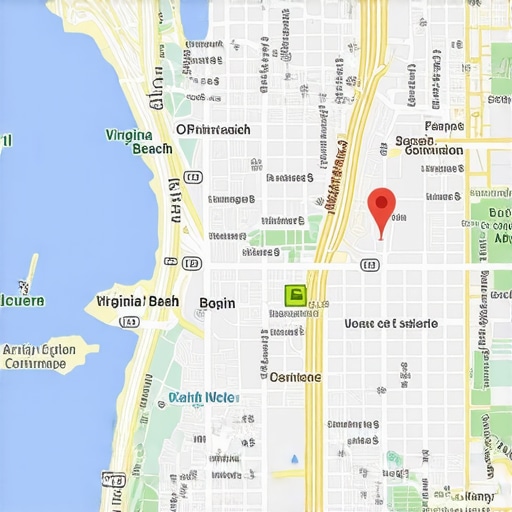
Ever spent hours trying to figure out why your Virginia Beach business isn’t showing up on Google Maps? I remember that frustration all too well. I had a great service, a lovely storefront, but my visibility online was practically nonexistent. It was like shouting into the void—until I had that lightbulb moment. Turns out, local map optimization isn’t just a fancy buzzword; it’s the secret sauce for getting noticed in a crowded coastal market. If you’ve ever felt that your business is invisible online, don’t worry—you’re not alone. And more importantly, I’ve learned some game-changing strategies that can turn things around quickly.
Why Local Maps Matter More Than Ever in Virginia Beach
Virginia Beach is a bustling hub, full of tourists and locals alike, all searching for the services you offer. But with so many options, how do you stand out? The answer lies in how well your business ranks on Google Maps. Recent studies show that over 30% of all mobile searches are location-based, and a significant chunk of these lead to in-store visits or direct calls. That’s right—if your business isn’t showing up at the top of local map searches, you’re missing out on a sea of potential customers. I learned this the hard way early on, when I overlooked the importance of consistent NAP (Name, Address, Phone Number) data. That mistake cost me valuable local traffic, and I knew I had to act fast. Want to know how I turned things around? Keep reading, because the key lies in mastering local map optimization strategies that actually work.
Is Local Map Optimization Overhyped?
When I first started, I thought optimizing my Google My Business profile was enough. Spoiler: It wasn’t. I made the mistake of filling out my profile and then forgetting about it. That’s like planting a seed and never watering it. The truth is, effective local maps strategies require ongoing effort and attention to detail. If you’re skeptical, I understand. I’ve been there. But trust me, the difference between a business that ranks well and one that gets lost in the shuffle is often just a handful of strategic tweaks. Want to skip the trial and error? Check out some proven tactics at this resource for comprehensive guidance.
Now, let’s dive into the practical steps you can take today to elevate your Virginia Beach business’s local search presence and start attracting more local customers.
Claim Your Google My Business Profile
Start by claiming and verifying your Google My Business (GMB) listing if you haven’t already. Think of this step as securing your storefront’s digital door—invisible without it. To do this, go to this resource to understand the verification process in detail. Once verified, ensure all information is accurate and complete, including your business name, address, phone number, and website URL. This consistency acts like a well-lit sign, making it easy for customers to find and trust you.
Optimize Your NAP Data Everywhere
NAP stands for Name, Address, Phone Number. Keep this info consistent across all platforms—your website, social media, local directories, and review sites. Imagine trying to find a friend whose address keeps changing; it’s frustrating and confusing. I once missed out on local traffic because my NAP data was inconsistent across directories. To fix this, I used this guide and updated all listings. This small but crucial step made a big difference in local rankings.
Encourage and Manage Customer Reviews
Reviews act like word-of-mouth in the digital age. More positive reviews and high ratings tell Google and potential customers that you’re trustworthy. I learned this firsthand when I reached out to satisfied clients asking for reviews—initially awkward but effective. To streamline this, create a simple process for customers to leave reviews, and respond promptly to all feedback. Use tools like this resource for tips on managing reviews professionally.
Utilize Local Keywords Strategically
Think of keywords as the signposts that guide customers to your business. Incorporate location-specific keywords naturally into your GMB description, services, and posts. For example, instead of just saying “plumbing services,” say “Virginia Beach emergency plumbing.” I once optimized my profile with keywords I thought were relevant, but I was missing the mark until I studied this guide. It helped me identify the most effective local keywords to attract nearby customers.
Post Regularly and Use Photos Effectively
Consistent posting and high-quality photos keep your profile active and engaging. Think of it as maintaining a lively storefront window—attracts passersby. Share updates, special offers, and behind-the-scenes glimpses. I once uploaded photos of a recent event, which sparked local interest and increased inquiries. Use these tips to learn how to optimize your images for maximum impact.
Monitor Your Performance and Adjust
Use GMB insights and other analytics tools to track how customers find and interact with your profile. If certain keywords or posts perform better, focus on those. I once noticed a spike in calls after updating my service hours, which I tracked through insights. This allowed me to refine my strategy continually. Check out this resource for more on performance monitoring and optimization techniques.
Many local business owners in Virginia Beach fall prey to misconceptions that can hinder their SEO efforts. Let’s dig deeper into what most people get wrong about local map optimization and how you can avoid these pitfalls to elevate your rankings.
Is It Enough to Just Claim Your Google My Business Listing?
Contrary to popular belief, claiming and verifying your Google My Business (GMB) profile isn’t a magic bullet. While it’s a crucial first step, many entrepreneurs think that once the profile is set up, their work is done. The reality is, ongoing optimization, review management, and engagement are vital. For example, actively posting updates, responding to reviews, and ensuring NAP consistency across all platforms can significantly impact your local search visibility. You can learn more about advanced strategies at this resource.
Relying Solely on Keywords in Your Profile Is a Mistake
Many think stuffing keywords into their GMB description or services list will catapult them to the top. This is a common myth. Google’s algorithms now prioritize user experience and relevance over keyword density. Instead, focus on natural language that reflects what your potential clients are searching for, integrating local keywords seamlessly. For instance, instead of just “plumbing,” mention “Virginia Beach emergency plumbing services.” For a comprehensive keyword approach, check out this guide.
Over-Optimizing Can Do More Harm Than Good
It might sound counterintuitive, but over-optimizing your profile with excessive keywords, fake reviews, or irrelevant tags can lead to penalization or ranking drops. Google’s AI is increasingly sophisticated at detecting manipulative tactics. Focus instead on authentic engagement—genuine reviews, accurate info, and consistent updates. Remember, quality always beats quantity in local SEO. To avoid common mistakes, review these tips.
How Can Advanced Strategies Elevate Your Local Map Rankings?
Advanced tactics involve building local backlinks, leveraging structured data, and engaging with community events online. These methods signal to Google that your business is a trusted local entity. For example, adding schema markups for local business details can enhance your profile’s relevance. Studies, such as those from Moz, show that localized backlinks and schema markup significantly boost local search rankings. If you’re serious about dominating Virginia Beach’s competitive market, explore this advanced guide.
Have you ever fallen into this trap? Let me know in the comments. Avoiding these common misconceptions and adopting a strategic, nuanced approach is key to mastering local map optimization and driving more local traffic to your Virginia Beach business.
How do I keep my local map rankings steady over time?
Maintaining your local map rankings is an ongoing process that requires the right combination of tools, consistency, and a proactive approach. After investing time in optimizing your Google My Business profile and local listings, the key is to use specialized tools that help you monitor, update, and refine your strategies effectively.
One tool I personally rely on is BrightLocal. It offers comprehensive local SEO tracking, including rank monitoring, citation audits, and review management. I use BrightLocal daily to check how my business appears across different locations and to identify any inconsistencies in NAP data. This helps me catch and fix issues before they impact my rankings.
Another essential tool is Google Search Console. It provides valuable insights into how your profile and website are performing in local searches. I regularly review the performance reports, especially focusing on queries that lead to local map clicks. This data guides my content updates and keyword focus, keeping my profile relevant and competitive.
For review management, I recommend Podium. It simplifies the process of gathering new reviews by sending automated review requests via text message. I’ve found that prompt responses to reviews—both positive and negative—boosts my profile’s trustworthiness and engagement, which Google favors in ranking signals.
Looking ahead, I believe AI-powered tools will become more integrated into local SEO workflows. For example, tools that automatically identify ranking fluctuations or suggest content updates based on local trends will streamline maintenance and help small businesses stay competitive without overwhelming their resources.
To truly keep your local map optimization working for you, I encourage you to try using BrightLocal for weekly rank tracking. Consistent monitoring allows you to react swiftly to any declines and capitalize on opportunities, ensuring your business remains visible to your local audience.
Need to stay on top? Regularly auditing your citations and reviews with these tools can prevent ranking dips and solidify your position in the local pack. Begin today with BrightLocal and see how proactive management keeps your Virginia Beach business thriving in local searches!
The Hardest Lesson I Learned About Local SEO in Virginia Beach
One of my biggest surprises was realizing that claiming my Google My Business profile was just the beginning. The real game-changer was ongoing engagement—responding to reviews, updating my info, and consistently posting relevant content. I once thought a set-it-and-forget-it approach would suffice, but I learned that persistent effort is what drives visibility. That lightbulb moment taught me to treat my local SEO as a living process rather than a one-time task.
3 Myths About Local Map Optimization That Held Me Back
I used to believe that keyword stuffing was the way to rank higher. Turns out, Google favors relevance and authenticity. Over-optimizing can even hurt your rankings. Another myth was that once your profile is verified, your work is done—far from the truth. The most successful businesses keep refining their strategies, engaging their community, and monitoring their performance. Learning these truths helped me finally stand out in Virginia Beach’s competitive local market.
What Experts Won’t Tell You About Staying Ahead
Many local entrepreneurs overlook the power of community involvement and local backlinks. Building relationships with other businesses and participating in local events can significantly boost your authority and rankings. I discovered that integrating schema markup and leveraging structured data can give your profile an edge that competitors miss. These advanced tactics, often underappreciated, are what separate top-ranking businesses from the rest. For a deep dive into these strategies, check out this comprehensive guide.
This post really hit home for me, especially the part about NAP consistency. I used to overlook the importance of keeping my business information uniform across all platforms, which definitely hurt my local rankings. After fixing that, I started seeing better visibility on Google Maps. I think a lot of small business owners get complacent once they claim their GMB profile, but as you pointed out, ongoing engagement is key. Responding to reviews and posting updates can really boost your profile’s trustworthiness. I also found that participating in local community events and getting backlinks from local directories helped strengthen my local authority. Has anyone else tried structured data markup? I’m curious how much of a difference it made in their rankings. It seems like the more proactive we are with all these little details, the more consistent our local visibility becomes.
Reading through this, I completely relate to the frustration of trying to get visibility in a busy market like Virginia Beach. I had a similar experience where my business was good, but too many potential customers just couldn’t find me on Google Maps. What really clicked for me was the emphasis on consistent NAP data across all platforms. It’s one of those small details that often gets overlooked but can make a huge difference. Plus, the ongoing management—responding to reviews and posting regularly—really helps keep the profile active and trustworthy in Google’s eyes. I’ve started exploring structured data markup as well, and while I’ve seen some improvements, I’d love to hear from others how much it truly impacts rankings in local SEO. Has anyone seen a noticeable shift after implementing schema? Also, do you think community involvement and backlinks are still as powerful as they used to be now that Google’s algorithms keep evolving? Would be great to hear different strategies that others are using to stay ahead.
I completely agree with the emphasis on continuous engagement for local SEO success. Just claiming your GMB profile isn’t enough anymore; actively managing reviews, posting updates, and ensuring your NAP data stays consistent are crucial steps. I’ve personally seen a noticeable boost in my Virginia Beach business after regularly updating my profile and responding to customer reviews promptly. It’s also intriguing how structured data markup, like schema for local businesses, can give a slight edge in visibility. For those hesitant about implementing schema, have you noticed tangible results from doing so? I think it’s no longer optional but essential for competitive local markets like ours. Also, with Google constantly evolving their algorithms, how do others stay ahead without feeling overwhelmed? Do tools like BrightLocal or Google Search Console help in maintaining a strategic edge? Would love to hear more success stories or tips from others juggling local SEO efforts.