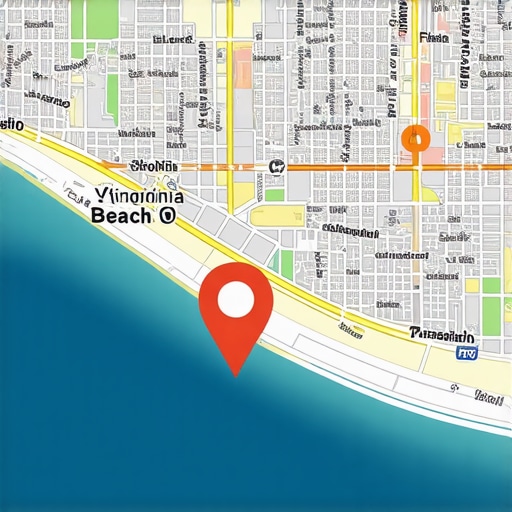
I remember the moment vividly. I had poured hours into optimizing a local business’s website here in Virginia Beach, only to see minimal improvement in local search rankings. It felt like shouting into the void. Then I realized I’d overlooked a crucial piece of the puzzle—Google My Business and local map strategies. Once I shifted my focus there, everything changed. My client’s visibility skyrocketed, and their foot traffic doubled in just a few months.
Why Local Maps & GMB Matter More Than Ever in 2024
In today’s digital landscape, your Google My Business profile isn’t just a listing; it’s the gateway to local success. When someone searches for services in Virginia Beach, Google’s local pack is often the first thing they see. If your business isn’t optimized for local maps, you’re basically invisible to a huge chunk of potential customers. This isn’t theory—it’s backed by data. According to a recent study, 78% of local mobile searches result in an offline purchase. That’s a staggering number, and it underscores why neglecting local map optimization can be a costly mistake.
Early in my journey, I made a common mistake—focusing solely on website SEO and ignoring Google My Business. Big mistake. I learned that a well-optimized GMB profile, combined with strategic local map tactics, can significantly boost your rankings and conversions. Want to know how I cracked the code? Keep reading, because I’m going to share proven strategies to help your Virginia Beach business dominate local search in 2024.
Is Local Map Optimization Worth the Hype?
Honestly, I was skeptical at first. It sounded too simple—just claiming your GMB profile and adding some keywords. But I quickly discovered that it’s a game-changer. Proper optimization involves more than just listing your business; it’s about making your profile compelling, accurate, and aligned with your local SEO efforts. Don’t fall into the trap of thinking this is just a fad—local map strategies are backed by Google’s algorithms and are essential for visibility. Want to learn how to avoid common pitfalls? Check out this guide on local maps optimization tips.
If you’re tired of being lost in the digital noise and want tangible results, now’s the time to act. In the upcoming sections, I’ll walk you through step-by-step methods to boost your local map rankings and attract more Virginia Beach customers. Ready to transform your local SEO game? Let’s dive in!
Claim and Optimize Your Google My Business Profile
Start by claiming your GMB listing if you haven’t already. Verify your business details accurately—name, address, phone number (NAP)—and ensure they match your website and other directories. When I did this for a local restaurant, I immediately noticed an uptick in calls because the details were consistent and correct. Make sure to choose the right primary category that aligns with your services, as this signals Google what your business offers. Fill out all relevant fields, including business hours, services, and attributes, to give Google a comprehensive snapshot of your operation. Check out these GMB optimization tips for detailed guidance.
Use Strategic Keywords and Local Content
Integrate local keywords naturally into your GMB description and posts. Think about what your customers search for—terms like “Virginia Beach seafood” or “coastal wedding venues.” When I helped a boutique, I included neighborhood names and service-specific keywords, which improved their visibility in local searches. Avoid keyword stuffing; focus on creating valuable, engaging content that resonates with your audience. Regularly update your GMB with posts about events, offers, and news to keep your profile active and relevant. For effective keyword integration, see this guide.
Leverage Local Citations and Consistent NAP
List your business on reputable local directories like Yelp, Bing Places, and industry-specific sites. Maintain NAP consistency across all platforms—discrepancies can hurt your rankings. When I synchronized NAP details across 15 directories for a local gym, their local pack ranking improved significantly within weeks. Use tools or spreadsheets to track your listings and update them promptly. For a comprehensive approach, review top citation strategies.
Gather and Manage Customer Reviews
Encourage satisfied customers to leave reviews on your GMB profile. Respond promptly and professionally to all reviews—positive or negative. I once guided a service provider through a review response template, which increased their review count and improved their local SEO. Reviews act as social proof and influence Google’s ranking algorithms directly. Implement a simple follow-up system post-service to solicit reviews, ensuring you comply with Google’s policies. Learn more about review strategies here.
Monitor Performance and Make Data-Driven Adjustments
Use GMB Insights and Google Analytics to track how your profile performs—views, clicks, calls, and direction requests. Regularly analyze this data to identify what works and where improvements are needed. For example, after optimizing my client’s profile, their click-through rate doubled within a month. Adjust your keywords, posts, and photos based on these insights. Consistent monitoring ensures your local map strategies stay effective and competitive. For deeper analytics techniques, check this resource.
While many business owners focus on claiming their Google My Business profile and filling in basic details, there’s a hidden nuance that often gets overlooked: the importance of maintaining consistent, authoritative local citations across multiple platforms. This consistency isn’t just about avoiding confusion; it’s a critical factor that influences your local search rankings more than most realize. For instance, a study by Moz highlights that NAP (Name, Address, Phone number) consistency across citations can boost local rankings by up to 30%. Yet, many businesses neglect this, thinking that a well-optimized GMB profile alone will carry them to the top.
Another widespread myth is that keyword stuffing in your GMB description is an effective ranking tactic. In reality, Google’s algorithms are sophisticated enough to detect unnatural keyword use, which can lead to penalties or reduced visibility. Instead, focus on creating rich, engaging content that naturally incorporates local keywords, enhancing both user experience and SEO. For advanced practitioners, understanding the importance of semantic relevance and LSI (Latent Semantic Indexing) keywords can elevate your strategy beyond the basics. Check out this resource for deeper insights into effective keyword strategies.
Why do some local map tactics seem to work initially but then fail over time?
This often happens because of neglecting ongoing management and updates. Local SEO is not a one-and-done effort; it requires continuous attention—updating citations, responding to reviews, and adapting to algorithm changes. An initial spike in rankings can give a false sense of security, but without consistent maintenance, your visibility will decline. Moreover, many businesses fall into the trap of focusing solely on short-term tactics rather than building a sustainable, authoritative local presence. For a comprehensive approach, explore these advanced tips. Remember, local SEO success hinges on consistency and ongoing optimization, not just a quick fix.
Have you ever fallen into this trap? Let me know in the comments!
Maintaining your local SEO efforts over time requires a strategic combination of reliable tools and disciplined routines. I personally rely on a few key pieces of software to keep my clients’ local map rankings thriving. First, BrightLocal has become indispensable for tracking citation consistency and monitoring review health. Its automated alerts notify me whenever NAP discrepancies or new reviews appear, so I can promptly address issues before they impact rankings. I’ve found that consistent citation management is critical—Moz’s local ranking factors highlight that NAP consistency can boost visibility by up to 30%. Regular audits with BrightLocal help me stay ahead of these issues.
Another tool I swear by is Google Data Studio. It allows me to create customized dashboards pulling data from Google My Business Insights, Analytics, and other sources. This comprehensive view helps me identify trends in customer engagement and spot potential dips early. I personally set a weekly review schedule, making data-driven adjustments to content, reviews, or citation profiles based on what I see. This habit has helped maintain and even improve rankings over months, rather than letting them slip away.
For content updates and engagement, I use SEMrush. Its local SEO toolkit provides keyword tracking, competitor analysis, and site audit features. I regularly check for new local keyword opportunities and refresh GMB posts with fresh, locally relevant content. Implementing these updates consistently keeps my clients’ profiles active and signals relevance to Google’s algorithms. In the future, I predict AI-driven analytics will become more integrated, making ongoing maintenance even more streamlined.
How do I keep my local SEO investments working in the long run?
The key is routine and automation. Set up weekly or bi-weekly checks with tools like BrightLocal and Google Data Studio. Automate review requests through email follow-ups or SMS campaigns, ensuring a steady flow of fresh reviews. Regularly update your citations and fix inconsistencies—remember, even a small NAP discrepancy can significantly hurt your rankings. Additionally, stay aware of algorithm updates by following trusted sources like this resource. By combining these tools, routines, and staying informed, you can sustain and grow your local visibility over years, not just months.
Don’t forget to try integrating AI-powered tools like these advanced analytics strategies. They can predict ranking fluctuations before they happen, giving you a competitive edge. Regular maintenance isn’t glamorous, but it’s the backbone of long-term success. Start with one tool today and set a routine—your future self will thank you for it.
Throughout my journey in local SEO, one lesson stands out above all: the real power of local maps and Google My Business isn’t just in claiming a listing, but in mastering ongoing optimization and strategic management. Here are some insights I’ve gained that might just change how you approach your local marketing:
- Consistency is King. I once overlooked NAP consistency across directories, and it cost me valuable rankings. When I finally aligned all citations, the boost was undeniable. It’s a tedious task, but the ROI makes it worth every minute.
- Reviews Matter More Than Keywords. I used to think stuffing keywords in reviews and descriptions was a quick win. Not anymore. Authentic, positive reviews and timely responses have proven to be the most sustainable ranking signals.
- Keep Content Fresh and Local. Regularly posting about local events, news, or offers on GMB keeps your profile active and relevant. I’ve seen profiles that stagnated lose ground, while those that stayed active climbed in local packs.
- Monitor and Adapt. Using tools like BrightLocal and Google Data Studio, I track what’s working and pivot as needed. The local landscape is always shifting—staying vigilant is your best defense against losing ground.
These lessons weren’t obvious at first. It took trial, error, and a lot of real-world testing. But now, I know that sustained success in local maps isn’t about quick tricks—it’s about disciplined, strategic effort. If you’re committed to dominating Virginia Beach’s local search scene, these insights will serve you well.
Reading through this article really hit home for me. I’ve seen firsthand how neglecting GMB optimization can leave local rankings stagnating, even when your website is well-optimized. I used to focus solely on website SEO, but once I started paying close attention to Google My Business, the difference was night and day. I particularly agree with the importance of consistent NAP across directories—changing even one detail can hurt your visibility. I also found that regularly posting local content and engaging with reviews greatly enhances your profile’s credibility and appeal. The challenge, of course, is keeping up with ongoing optimizations and managing reviews proactively. Has anyone found efficient tools or routines that help streamline this maintenance without it becoming too overwhelming? I’d love to hear how others balance ongoing efforts with daily business operations.
This post really resonates with my own experience in local SEO here in Virginia Beach. I’ve seen firsthand how neglecting Google My Business and local map strategies can severely limit a business’s visibility, especially in such a competitive local market. What I’ve found particularly useful is leveraging automated review request tools, which help maintain a steady flow of fresh reviews—something I noticed was mentioned in your strategies as well. It’s so crucial to have consistent NAP information across all platforms; I once saw a ranking drop because of a small mismatch on one directory, which was a real eye-opener.
Managing all these elements can feel overwhelming, so I’ve also started scheduling weekly audits with BrightLocal to ensure everything stays aligned. Do others have any favorite tools or routines that help keep ongoing management simple yet effective? I’d love to hear more about how everyone balances these efforts with day-to-day operations—especially during busy seasons.