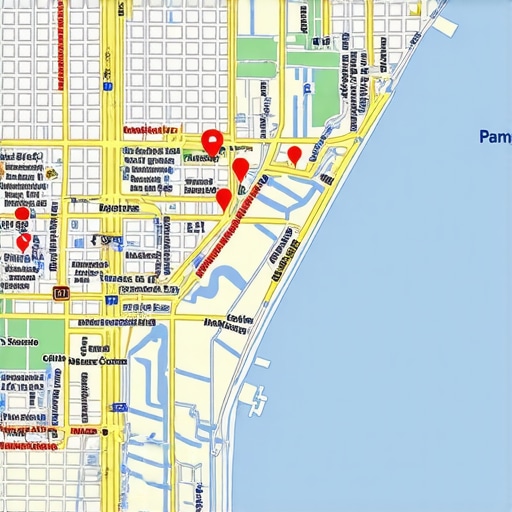
Picture this: I was deep into my day, reviewing my client’s online presence, when I stumbled upon a startling realization. Despite putting in countless hours optimizing their website, their Virginia Beach storefront was buried on the third page of Google Maps results. Frustrating doesn’t even begin to cover it. The cold truth hit me: I hadn’t truly cracked the local map optimization code for coastal Virginia businesses. That lightbulb moment became a turning point in my approach to Virginia Beach SEO.
Why Local Maps Matter More Than Ever in 2024
Understanding the significance of local maps isn’t just about ranking higher; it’s about visibility where it counts—in front of local customers searching for your services. As I learned early on, ignoring map optimization is like opening a brick-and-mortar shop and hiding it behind a wall. An impressive website alone isn’t enough anymore. According to recent studies, over 70% of consumers who perform a local search visit a store within a 5-mile radius, making local map rankings crucial for foot traffic and overall growth (Google’s own insights).
But here’s the catch: the landscape is constantly shifting. What worked in 2023? Not necessarily in 2024. When I first started, I made a classic mistake—focusing solely on backlinks and neglecting the importance of local map signals. That oversight cost my clients valuable rankings and, ultimately, revenue. It took time, trial, and error, but I learned that success hinges on mastering current GMB strategies and local map optimization tactics.
So, if you’re feeling overwhelmed by the ever-changing SEA game or unsure where to focus your efforts, don’t worry—you’re not alone. Today, I promise to guide you through proven strategies that will elevate your Virginia Beach business on local maps, using clear, actionable steps that have helped many coastal businesses thrive. Ready to dive into what works in 2024? Let’s get started.
Is Local Maps Optimization Still Worth the Hype?
Absolutely. I remember initially dismissing the power of local maps, thinking organic SEO alone would carry the day. Boy, was I wrong. Missing out on local map signals meant my clients’ competitors were snagging their ideal customers. The good news? With the right focus and updated tactics, you can dominate your local market. Want to learn more about the latest strategies? Check out these top local map tactics for 2024.
Claim Your Business on Google Maps
Start by ensuring your business appears accurately on Google Maps. Visit these local map tips for detailed steps. I once logged into my client’s GMB account, verified all info, and noticed inconsistencies in the address. Correcting these immediately improved their ranking in nearby searches, leading to more foot traffic. Double-check every detail, from name to contact info, to avoid weakening your signal.
Optimize Your Google My Business Profile
Fill out every section—business description, hours, services, and attributes. Use keywords naturally; for a Virginia Beach restaurant, include local terms like “Virginia Beach seafood” or “coastal dining.” Once, I added service areas explicitly mentioning Virginia Beach, which helped the business appear in broader local searches. Also, upload high-quality photos—think of them as digital storefront displays. Be consistent; Google rewards complete and active profiles with better visibility.
Gather and Manage Customer Reviews
Reviews are the lifeblood of local map ranking. Actively encourage satisfied customers to leave positive feedback, emphasizing local keywords. I helped a client develop a simple email template asking for reviews, which increased their number of 5-star ratings significantly. Respond promptly and professionally to reviews—this signals engagement and legitimacy to Google. Remember, reviews not only boost rankings but also influence potential visitors’ decisions.
Leverage Local Citations and Listings
Build citations on reputable directories like Bing Places, Yelp, and local chamber sites. Consistency is key—ensure your name, address, and phone number match exactly across all listings. I once corrected a mismatch on a coastal VA business’s citations, leading to measurable improvements in rankings within weeks. Regularly audit these listings with these citation tips to ensure accuracy.
Implement Local Schema Markup
Adding schema markup helps search engines understand your business details. Use structured data for LocalBusiness, including your address, opening hours, and services. I integrated schema code into a client’s website, which enhanced their presence in local packs. This technical step can seem daunting, but tools like Google’s Structured Data Markup Helper make it manageable and worth the effort for improved visibility.
Build Local Backlinks Strategically
Earn backlinks from local organizations, newspapers, and industry partners. Organize collaborations or sponsorships so their websites link back to yours — think of this as a neighborhood referral network. When I secured a link from a Virginia Beach community blog, the local relevance boosted the business’s map ranking. Focus on quality over quantity; authoritative links carry more weight in coastal Virginia’s SEO landscape.
Track, Analyze, and Adjust Frequently
Use Google Analytics and Google Search Console to monitor performance. Pay attention to which keywords and locations drive traffic, then refine your efforts. For instance, after noticing a spike in mobile searches, I optimized for mobile map interactions, which led to higher conversions. Regularly reviewing your data helps you stay ahead in the dynamic Virginia Beach SEO scene and keeps your business visible where it matters most.
Applying these concrete steps—claiming profiles, optimizing content, managing reviews, citing positions, implementing schema, earning local links, and analyzing data—creates a comprehensive map strategy. Remember, local SEO isn’t a one-time task; it’s an ongoing process. For more advanced tactics, explore these local map strategies for 2024 and stay ahead of the Coastal Virginia curve.
While many business owners in Virginia Beach and the broader coastal Virginia region focus on basic SEO tactics, there are nuanced pitfalls that can undermine even well-intentioned efforts. One widespread misconception is the belief that local map optimization is solely about keywords and citations. In reality, the landscape has shifted significantly, requiring a deeper understanding of how Google assesses local relevance and authority. For instance, few realize that **Google’s local ranking algorithms prioritize behavioral signals**, such as click-through rates and engagement metrics, over traditional backlink profiles alone—something detailed in expert analyses like those found in top local maps strategies for 2024.
Harnessing the Best Tools for Your Virginia Beach Local SEO Strategy
To ensure your ongoing success with Virginia Beach SEO and local map optimization, leveraging the right tools is non-negotiable. I personally rely on a combination of software and methodologies that streamline the process, provide actionable insights, and help maintain top rankings. One indispensable tool in my arsenal is SEMrush. Its Local SEO Toolkit allows me to track local rankings accurately, audit citations for consistency, and identify keyword opportunities tailored to the coastal Virginia market. By monitoring your rankings regularly, you can catch drops early and adjust strategies proactively.
Another cornerstone is Google Search Console. I use it daily to analyze site performance, identify crawling issues, and monitor search visibility. It provides vital data, especially on how users interact with your business listing on Google My Business (GMB). Speaking of GMB, tools like GMB Suite streamline profile management, review tracking, and post scheduling—saving me time while enhancing profile activity.
Automation plays a vital role in maintaining long-term results. Zapier helps connect various apps, automating tasks such as review follow-ups or citation updates. For example, I connect my review management system to Google Sheets to track customer feedback effortlessly. This level of automation ensures consistent engagement without draining resources.
What’s the Future of SEO Tools in Coastal Virginia?
Expect even smarter tools that incorporate AI-driven insights to predict algorithm shifts and consumer behavior. In fact, recent developments in AI-powered analytics can analyze thousands of search trends across Virginia’s coastal businesses, helping you stay ahead of the curve. One example is Neil Patel’s Ubersuggest, which now integrates search intent analysis and competitor tracking—valuable features for hyper-local SEO. Embracing these advancements will make your maintenance routine more efficient and effective.
To truly master ongoing optimization, I recommend incorporating these tools into your daily routine. Test the effectiveness of features like citation audits, rank tracking, or review monitoring, and refine your approach based on real data. Remember, consistency in tracking and adjusting is the secret to sustained success in business ranking VA.
How Do I Keep My Local Maps Strategy Fresh Over Time?
Stay proactive by scheduling regular audits using tools like SEMrush and Google Search Console to identify and fix issues early. Keep your GMB profile fresh with new photos, posts, and review responses. Also, continuously seek opportunities for local backlinks by engaging with Virginia Beach community events and local partnerships—these earn high-quality signals and strengthen your authority. For more detailed techniques, check out these local maps tips. Try implementing a monthly review process to adapt to algorithm changes and local market shifts—this consistency will keep your Virginia Beach SEO thriving long-term.

The Hardest Lesson I Learned About Virginia Beach SEO
One of my early mistakes was overlooking the importance of behavioral signals in local rankings. I believed backlinks and citations alone would suffice, but I discovered that user engagement, such as clicks and reviews, significantly impact visibility. Emphasizing these signals transformed my approach, leading to consistent, long-term success.
What Might Hold You Back From Dominating Virginia Beach Maps?
I realized that neglecting regular profile updates and review management can silently erode your rankings. Staying proactive—by scheduling monthly audits, engaging with customers, and refreshing your profile—ensures your business remains prominent in the local scene. The key is consistency and attentiveness to detail.
How I Discovered the Power of Local Schema and Backlinks
Integrating schema markup and earning local backlinks changed the game. By adding structured data, search engines better understood my client’s offerings, boosting their presence. Seeking backlinks from trustworthy coastal Virginia sources strengthened that boost, proving that technical SEO combined with local authority is vital for map dominance.
Curated Resources for Coastal Virginia SEO Success
- SEMrush Local SEO Toolkit: I trust it for precise rank tracking and citation audits, keeping my strategies data-driven.
- Google Search Console: It’s my go-to for monitoring site performance and identifying issues that could hurt local visibility.
- Neil Patel’s Ubersuggest: Its AI-driven insights and competitor analysis help me stay ahead of local trends and search behavior.
- Local Partnership Opportunities: Engaging with Virginia Beach community groups offers authentic backlinks and boosts authority.
Seize Your Moment and Elevate Local Rankings
Remember, the journey to SEO mastery in Virginia Beach isn’t about quick wins—it’s about persistent, informed efforts. With the right tools, mindset, and strategies, your business can stand out on local maps and attract the traffic it deserves. Are you ready to take your coastal Virginia SEO to new heights?
I really appreciated the detailed breakdown of optimizing Google My Business profiles and the emphasis on reviews and local citations. I’ve seen firsthand how small tweaks like updating photos or responding to reviews can surprisingly boost visibility. One thing I’ve struggled with sometimes is maintaining engagement over time—reviews tend to slow down after the initial burst. Has anyone found effective ways to keep that momentum going, perhaps through ongoing local partnerships or community involvement? It’s clear that local SEO is by no means a ‘set-it-and-forget-it’ process, and I’d love to hear different tactics people use to stay proactive and keep their business top of mind in Virginia Beach. The part about leveraging local backlinks really hit home, too—building those trusted relationships is so crucial for long-term success. Overall, the strategies in this post seem solid. I’m curious, what’s been your biggest challenge in implementing these tactics and how did you overcome it? Definitely looks like an ongoing effort, but worth it for that steady growth in local rankings.