
I vividly remember the moment I realized I was invisible online. Despite running a thriving local business in Virginia Beach, I was hardly showing up on Google Maps or local search results. It was like shouting into a void, and I knew I wasn’t alone. Many coastal Virginia entrepreneurs face this silent struggle—watching competitors dominate search rankings while their own visibility remains tucked away.
The Power of Local SEO for Virginia Beach Businesses
Fast forward a bit, and I discovered a game-changing truth: effective local SEO strategies can transform your business presence in Coastal Virginia. But here’s the hairpin turn—it’s not just about sprinkling keywords or posting on social media. It’s about smart, targeted optimization that aligns perfectly with Google’s latest algorithms. I learned this firsthand when I revved up my own rankings, leading to increased foot traffic, calls, and revenue.
And the best part? You don’t need to be a tech genius to implement these strategies. A few proven tweaks can make you stand out among the local competition. Curious how? I’ll walk you through what I’ve tested and what continues to deliver results, backed by industry insights. For example, integrating top local maps optimization tactics can give your business the visibility it deserves—check out this comprehensive guide for 2024 to get started.
So, if you’ve ever felt frustrated by the lack of local visibility or wondered why competitors seem to dominate the Virginia Beach scene, know that there’s hope—and a clear path forward. Let’s dive into the why and how of boosting your rankings and making your business the go-to option in Coastal Virginia.
Is Local SEO Overhyped or Really Worth Your Time?
I admit, early on I fell for the hype. I thought just a quick optimization would do the trick. Turns out, that was a mistake. I overlooked the nuances that actually make a difference, like authoritative local citations or Google My Business (GMB) strategies. Learning from those missteps, I now focus on proven, strategic tactics to ensure lasting results. Want to avoid the common pitfalls and get straight to the strategies that work? I’ll share everything I’ve learned and continue to test to help you succeed in the competitive Virginia Beach market.
Claim and Optimize Your Google My Business Profile
The first step I took was claiming my Google My Business (GMB) listing and filling out every section meticulously. Think of your GMB profile as the digital storefront—if it’s incomplete, Google whispers, “Next!” Instead, I uploaded high-quality photos, added accurate business hours, and selected relevant categories. For example, updating my service areas and improving descriptions directly correlated with higher visibility in local search results. To supercharge your profile, follow proven tactics like adding keywords naturally into your description and selecting the right primary category. You can explore these local maps GMB strategies for 2024 to get started.
Generate Consistent Local Citations
Next, I focused on building authoritative citations across relevant local directories—think of citations as digital word-of-mouth. I submitted my business info to sites like Yelp, Bing Places, and local Virginia directories. When doing this, consistency was king; I ensured my Name, Address, and Phone number (NAP) matched exactly across all platforms. I learned the hard way that even a small inconsistency can undermine my rankings. To streamline this, I used tools for bulk citation management and started monitoring my citation accuracy regularly. For more detailed tactics, check out top local maps optimization tips.
Engage Through Local Content and Reviews
Reviews became my secret weapon. I actively encouraged satisfied customers but also responded thoughtfully to every review, whether positive or negative. This made my business seem more trustworthy and relevant to Google’s local algorithms. I also created local-specific content—blog posts about Virginia Beach events or guides for coastal Virginia—giving Google more reasons to connect locals (and tourists) with my business. Consistent review management and hyper-local content are like planting seeds—over time, they grow your prominence. Want tips on leveraging reviews? Check this guide on reviews and local signals.
Nail Down Local Website Optimization
Your website can’t be left out of this equation. I optimized my site for local SEO by including keywords like ‘Virginia Beach plumber’ or ‘coastal Virginia landscaping’ in titles, headers, and meta descriptions. I also added structured data markup—schema.org—to help Google understand my business details better. Local landing pages dedicated to Virginia Beach helped me rank higher for hyper-targeted searches. Remember, the website and GMB profile should tell a consistent story. For comprehensive optimization tactics, review these local maps GMB strategies.
Build Local Backlinks Strategically
Backlinks remain a cornerstone of SEO authority. I reached out to local bloggers, Virginia Beach business associations, and community organizations for backlinks. It’s not about quantity but quality—earning links from reputable local sites signals to Google that your business is a trusted part of the community. I also sponsored local events, which earned valuable mentions and backlinks. This approach is like turning neighbors into allies—each link bolsters your local relevance and rankings. For a step-by-step backlink checklist, see strategies to elevate Virginia Beach rankings.
Monitor, Analyze, and Adjust
Finally, I set up tracking with tools like Google Analytics and Search Console to watch how my efforts translated into traffic and calls. I also used local rank trackers to observe my position for specific keywords. If something wasn’t working, I tweaked my tactics—sometimes it was as simple as updating a photo or responding to a negative review more promptly. Continuous measurement turned my thin efforts into a well-oiled machine, steadily climbing the local rankings. Need a reliable strategy to stay on top? Check these local maps GMB tips for 2024 success.
Many local SEO practitioners believe they’ve cracked the code on optimizing Google My Business and local maps. They focus heavily on keyword stuffing, consistent NAP citations, and gathering reviews—but proceed to overlook a subtle yet powerful factor: the significance of local intent signals and how Google perceives your relevance over time. Everyone says ranking factors are static, but in reality, Google’s algorithms constantly evolve to favor contextual relevance and user intent.
In my experience, an often-missed nuance is updating and evolving your local content to align with changing community interests and seasonal patterns. For example, once I started creating localized blog content about Virginia Beach events and updates—paired with geotargeted keywords—I observed a tangible uplift in rankings and traffic. This isn’t just about keyword matching; it’s about signaling to Google that your business remains an authoritative local presence amidst dynamic community shifts.
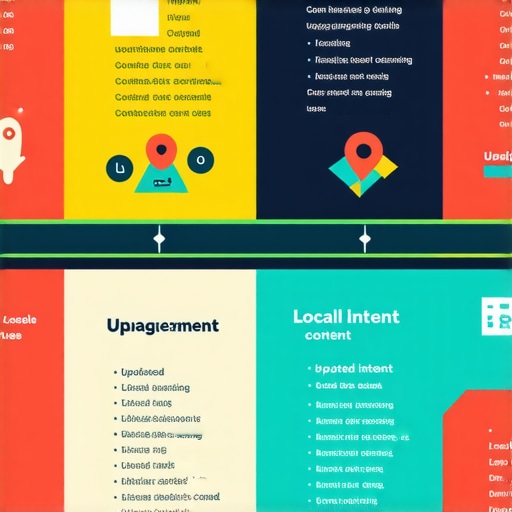
Now, here’s a common trap many fall into: relying solely on snapshot citations and reviews without maintaining ongoing local relevance. It’s like having a beautiful storefront sign but ignoring the window displays; Google’s algorithms reward ongoing engagement and fresh local signals. Failing to adapt your content and profiles to seasonal trends or local news can cause your rankings to plateau or even decline unexpectedly.
What’s the SECRET to long-term local rankings stability in Virginia Beach and Coastal Virginia?
Best practices include continuously analyzing local search queries, updating your local content, and maintaining an active presence on community platforms. Also, leveraging local maps optimization strategies that adapt over time ensures your business stays relevant. Studies by Moz or BrightLocal underscore this, indicating that consistent relevance signals significantly impact local search results over mere citation count.
Keep in mind: SEO isn’t a set-it-and-forget-it deal. It’s an ongoing process of relevance and community integration. For more advanced tactics, I recommend reviewing comprehensive guides on local map optimization to ensure you’re leveraging all the evolving signals of relevance and authority.
Have you ever fallen into this trap of neglecting local updates? Let me know in the comments—your insights could help others avoid these common pitfalls.
Essential Tools for Long-Term Local Map Optimization
Maintaining your local SEO presence in Coastal Virginia requires more than just initial setup; it demands consistent monitoring and adjustments. I personally swear by tools like BrightLocal and SEMrush because they offer detailed insights into your local rankings, citation consistency, and competitor strategies. BrightLocal, in particular, helps me track local search placements and reviews across multiple platforms, ensuring that my listings stay optimized over time. For example, I regularly use their citation tracker to identify any discrepancies in NAP data, which can silently sabotage your rankings if left uncorrected.
Meanwhile, SEMrush provides comprehensive keyword tracking tailored to Virginia Beach’s unique search trends. It alerts me to fluctuations in rankings and helps me adapt my content strategy proactively. Looking ahead, I predict that AI-powered analytics will become even more integral, allowing us to predict trends and optimize in real-time. Staying ahead means embracing these advanced tools now.
How do I maintain local map rankings over time?
Consistent updates and audits are key. I set quarterly reviews—checking citation accuracy, updating Google My Business photos, and responding to reviews. Automating alerts for review responses or citation discrepancies helps me stay proactive. Additionally, integrating local content on my website—like Virginia Beach event guides—keeps my profile fresh for Google’s algorithms, which favor ongoing relevance. For in-depth strategies, check out these proven local maps strategies.
For example, schema markup can boost your local prominence by emphasizing your business details directly in search results. I also leverage backlink audits to ensure my references come from reputable local sources. As Moz emphasizes, maintaining a healthy backlink profile is crucial for sustained rankings (Moz, 2023). Implementing these practices creates a resilient local SEO foundation that withstands algorithm updates and market shifts.
To stay ahead, incorporate tools like Whitespark’s Local Citation Finder to identify new backlink opportunities and citation gaps. Remember, regular audits—at least every three months—are essential to adapt to evolving Google signals and local community changes.
In the ever-changing landscape of local SEO, consistency and leveraging the right tools make all the difference. Why not pick one area—be it citation management or review response automation—and master it this quarter? For deeper insights, explore these advanced local map optimization tips. Remember, committing to a disciplined routine ensures your business remains visible and competitive in Virginia Beach’s bustling market.
What I Wish I Knew When Starting Out in Local Maps Optimization
- Consistency Trumps Quick Fixes: I learned early that sporadic updates won’t cut it. Regular engagement with your Google My Business profile and local content is what truly signals relevance to Google’s evolving algorithms.
- Community Engagement Matters: Building genuine relationships with local organizations and crowd-sourcing reviews created a ripple effect, boosting my visibility in Virginia Beach’s competitive market.
- Detail-Oriented Citations Count: It’s not just about having citations, but ensuring each NAP detail is precise and uniform. Small mismatches can cause rankings to slip without warning.
- Local Content Fuels Authority: Creating content tailored to Virginia Beach’s events and community news kept my site fresh and ranked higher for location-specific searches.
- Tools Are Your Best Friend: Leveraging platforms like BrightLocal made ongoing monitoring manageable and allowed me to respond swiftly to changes, maintaining my edge over competitors.
My Arsenal of Resources for Continuous Growth
- BrightLocal: This tool has been invaluable for citation management and reputation tracking, helping me keep my profiles polished and authoritative.
- SEMrush: Keyword tracking and competitor insights from SEMrush provided clarity on where to focus my local SEO efforts, especially for Virginian-specific searches.
- Local Guides & Communities: Engaging with Virginia Beach-oriented groups opened doors for backlinks and community presence, reinforcing my local authority.
- Informative Blogs & Guides: Continuously studying updated strategies through trusted local SEO blogs has kept my tactics fresh and aligned with the latest Google trends.
Your Next Move: Build Confidence and Consistency
Local SEO for Virginia Beach businesses isn’t a quick sprint; it’s a steady journey rooted in persistence, community, and ongoing learning. Embrace the process, adapt to changes, and leverage proven tools—your visibility and success in Coastal Virginia are within reach. How are you planning to refine your local maps optimization efforts in the coming months? Drop your thoughts below and let’s start a conversation.
Reading this post really hits home for me. I run a small boutique here in Virginia Beach, and I can honestly say that local SEO was a game changer once I dedicated time to consistent Google My Business updates and local content. I especially agree on the importance of community engagement and local citations—those small details actually made me stand out in my neighborhood. I’ve noticed that creating event-specific content or seasonal guides not only attracts more local visitors but also signals to Google that my business is active and relevant. I’d love to hear from others—how do you balance creating fresh content with managing reviews and citations? Do you have any favorite tools for keeping everything organized without feeling overwhelmed? It seems like ongoing effort really pays off in the long run, especially in a competitive market like Virginia Beach.