My Journey into Local SEO: Unlocking Virginia Beach’s Hidden Gems
As a small business owner in Virginia Beach, I vividly remember the day I realized how crucial Google My Business (GMB) and local maps are for local SEO success. I was struggling to get my shop noticed among the sea of competitors, and that’s when I decided to dive deep into local SEO strategies. My experience taught me that optimizing GMB and local maps can truly transform a business’s online visibility.
Why GMB Optimization Became My Top Priority
When I started exploring ways to improve my online presence, I discovered that Boosting Virginia Beach GMB & Local Maps is essential for attracting nearby customers. I learned that a properly optimized GMB profile not only enhances local search rankings but also builds trust and credibility. I dedicated time to ensuring my business details were accurate, adding high-quality photos, and encouraging customer reviews. These simple steps significantly boosted my local SEO performance.
My Proven Strategies for Elevating Local SEO Rankings
One of the most effective techniques I found was focusing on local keywords and ensuring consistency across all listings. I also utilized local citations and backlinks, which helped reinforce my business’s authority in Virginia Beach. Additionally, I explored advanced local maps optimization tactics that further pushed my rankings higher. These strategies are outlined in detail on authoritative SEO sites, which I constantly reference to stay updated.
How Can I Ensure My GMB Listing Stands Out?
My personal tip is to focus on quality over quantity. Regularly updating my GMB profile with fresh photos, special offers, and engaging posts kept my listing active and relevant. Responding promptly to reviews also fostered a positive reputation, encouraging more customers to choose my business. Over time, these efforts paid off, and I started ranking on the first page for relevant local searches.
What Are the Key Elements to Consider for Local Map Optimization?
Understanding the importance of effective GMB strategies helped me optimize my local maps more effectively. I focused on accurate NAP (Name, Address, Phone number) consistency, geo-targeted keywords, and embedded maps on my website. These elements created a cohesive local SEO ecosystem that boosted my visibility in Virginia Beach.
Why does local SEO matter so much for small businesses like mine?
Understanding the significance of local SEO is vital because most customers today search for nearby businesses online. According to Search Engine Journal, local SEO helps small businesses connect with their community effectively. For me, it meant the difference between being invisible online and becoming a go-to spot in Virginia Beach.
If you’re serious about elevating your local presence, I highly recommend experimenting with these strategies and sharing your results. And if you have any questions or want to share your experience, please leave a comment below—I love hearing from fellow entrepreneurs!
The Hidden Power of Local Map Optimization in Virginia Beach
As I delved deeper into local SEO, I realized that local maps optimization is often the overlooked gem that can dramatically increase your visibility. In Virginia Beach, where competition is fierce and the local community is vibrant, refining your local map presence can be a game-changer. Optimizing your Google My Business profile along with embedded maps on your website creates a seamless experience for potential customers searching for your services or products.
Building a Cohesive Local SEO Ecosystem
To truly stand out in the local search results, consistency is key. Ensuring your NAP (Name, Address, Phone Number) details are uniform across all platforms, including your website, directories, and social media, fortifies your local SEO authority. Embedding a Google Map on your contact page not only improves user experience but also signals to search engines your physical location’s importance. For further strategies, exploring local maps optimization techniques can provide actionable insights.
Leveraging Geo-Targeted Keywords for Local Maps
Another vital element is incorporating geo-targeted keywords naturally into your map descriptions, posts, and citations. Words like “Virginia Beach seafood restaurant” or “Virginia Beach fitness center” help search engines associate your business with local intent. When these keywords are consistent and relevant, your profile becomes more relevant to local queries, increasing the likelihood of appearing in the coveted local pack.
What Challenges Might You Encounter with Local Map Optimization?
Despite its benefits, local maps optimization can present hurdles such as managing duplicate listings, handling inaccurate NAP data, or dealing with negative reviews that affect your visibility. Regular audits of your listings and prompt responses to customer feedback are crucial. Additionally, staying updated with Google’s evolving algorithms and guidelines ensures your strategies remain effective over time. Consulting reputable sources like Moz’s local SEO guide can help navigate these complexities and maintain your edge.
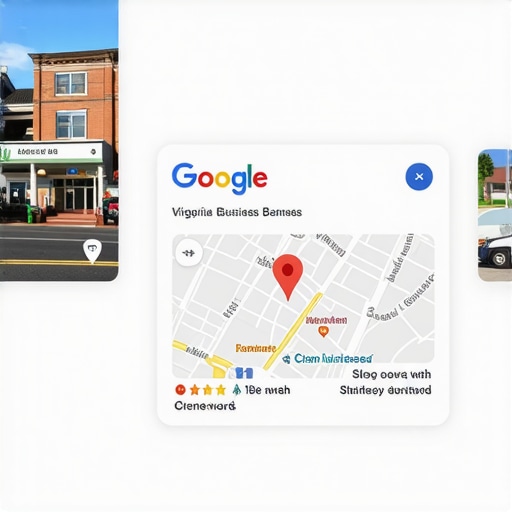
Image illustrating a well-optimized Google My Business profile with embedded maps and local keywords for Virginia Beach businesses.
How can small businesses leverage local map optimization to outshine competitors in Virginia Beach?
By combining accurate NAP data, geo-targeted keywords, engaging local content, and active review management, small businesses can significantly enhance their local map visibility. This holistic approach not only attracts nearby customers but also fosters community trust and loyalty. For a comprehensive approach, check out effective GMB strategies, which complement map optimization efforts and boost overall local SEO performance.
If you’ve experimented with local map strategies or want to share your success stories, I invite you to leave a comment below. Sharing insights helps the community grow stronger and more knowledgeable about local SEO mastery!
Deepening My Understanding: The Nuances of Local Map Optimization
As I immersed myself further into local SEO, I began to realize that the key to truly standing out isn’t just about surface-level tactics but understanding the intricate nuances that can make or break your local map visibility. One lesson I learned early on was that Google’s algorithms are constantly evolving, making it essential to stay adaptable and proactive in my strategies. For instance, I noticed that Google now places increasing emphasis on user engagement metrics like review quality, response timeliness, and local relevance, which are often overlooked by newcomers.
How Do I Balance Consistency with Local Content Creativity?
This question became a personal challenge for me. Maintaining NAP consistency across all platforms is fundamental, but I also wanted to infuse my profile with unique local content that resonated with the Virginia Beach community. I started sharing stories about local events, highlighting community partnerships, and showcasing seasonal offers that tied back to the neighborhood’s vibe. This dual approach—structured data consistency combined with authentic local storytelling—created a more compelling narrative for my business and boosted my profile’s relevance in local searches.
Reflections on the Challenges of Managing Local Listings
Managing multiple listings, especially when dealing with duplicate entries or outdated information, was initially overwhelming. I found that regular audits, using tools like Moz Local or BrightLocal, were invaluable in identifying and rectifying inconsistencies. Negative reviews, too, required a delicate touch—responding with genuine empathy and offering solutions helped turn dissatisfied customers into loyal advocates. These ongoing efforts underscored the importance of vigilance and genuine engagement in maintaining a healthy local map presence.
The Power of Geo-Targeted Keywords: Going Beyond the Obvious
In my experience, integrating geo-targeted keywords is more nuanced than simply plugging in city names. I began researching long-tail keywords that reflected specific neighborhoods, landmarks, and local vernacular. For example, instead of just ‘Virginia Beach restaurant,’ I used ‘family-friendly seafood restaurant near the Virginia Aquarium.’ This approach helped my business appear in hyper-local searches and attract customers with highly specific intent. Finding the right keywords required a mix of tools, intuition, and a deep understanding of my community’s language.
Leveraging External Resources for Continuous Improvement
One of the most valuable insights I gained was that local SEO is a continuous journey, not a one-time fix. Regularly reviewing authoritative sources like Moz’s local SEO guide and Google’s own updates keeps me ahead of the curve. For instance, recent updates about the importance of photo quality and the prominence of Q&A sections on GMB profiles prompted me to optimize these elements further. Staying informed allows small businesses like mine to adapt quickly and maintain a competitive edge.
Engaging with the local community through my map profile and online presence has been transformative. If you’ve experienced similar challenges or discovered unique tactics, I encourage you to share your journey. Learning from each other can unlock new strategies and strengthen our local business ecosystems. Remember, in the vibrant, competitive landscape of Virginia Beach, consistent effort and authentic engagement are often the secrets to long-term success.
Is Your Local Map Strategy Fully Optimized?
If you’re curious about elevating your local map presence, exploring comprehensive tactics like those outlined on local maps optimization techniques can be a game-changer. Think of it as a layered approach—balancing technical precision with genuine local storytelling. And if you’ve already started experimenting, I’d love to hear about your experiences and insights. Drop a comment below, and let’s learn from each other’s successes and challenges in mastering local SEO in Virginia Beach!”}
Deciphering the Intricacies of Google’s Local Algorithm: A Deep Dive
As I continued refining my local SEO approach, I discovered that understanding Google’s ever-evolving algorithms is paramount. The recent shift towards prioritizing user engagement metrics—like review authenticity, response timeliness, and local relevance—necessitated a more nuanced strategy. I immersed myself in authoritative resources, including Moz’s comprehensive latest local algorithm insights, to stay ahead. These insights underscored that optimizing for local intent isn’t just about keywords and NAP consistency, but also about fostering genuine community interactions and leveraging local content that resonates authentically with my audience.
How Can I Leverage Advanced Data Analytics for Hyper-Localized SEO?
Harnessing sophisticated analytics tools became a game-changer. By integrating platforms like SEMrush and BrightLocal, I gained granular insights into customer behavior, search patterns, and competitor gaps within Virginia Beach. These tools revealed niche opportunities—such as underserved neighborhood keywords or emerging local trends—that I could target with precision. For instance, analyzing search volume spikes around seasonal events allowed me to tailor my content and map listings proactively, ensuring I captured high-intent local queries. This data-driven approach transformed my local SEO from a set of basic tactics into a strategic, predictive model that adapts dynamically to community shifts.
How Do I Maintain Content Freshness Without Diluting Local Authenticity?
Balancing fresh content with authentic local storytelling is a delicate art. I started crafting bi-weekly updates that highlight seasonal celebrations, local partnerships, and community milestones—each infused with genuine narratives that reflect Virginia Beach’s vibrant culture. To support this, I employed schema markup for local events and landmarks, making my content more discoverable. This approach not only reinforced my local relevance but also improved my visibility in Google’s local pack. Moreover, I found that user-generated content—such as customer stories and local testimonials—further enhanced my profile’s authenticity, creating a compelling, community-centered online presence that resonates deeply with both search engines and locals alike.
What Are the Critical Challenges in Sustaining Local Map Visibility Long-Term?
Persistent vigilance is essential. Managing duplicate listings, ensuring NAP accuracy across an expanding array of platforms, and responding to negative reviews require ongoing effort. I adopted a quarterly audit routine using tools like Moz Local, which identified inconsistencies before they impacted my rankings. Additionally, engaging proactively with the community through local sponsorships and events amplified my profile’s local authority. Staying compliant with Google’s evolving guidelines—such as recent updates emphasizing high-quality photos and Q&A sections—was vital. These practices, rooted in continuous monitoring and genuine engagement, safeguard long-term visibility and help me adapt to the algorithm’s subtle shifts.
How Can Small Businesses Use Community-Centric Content to Outperform Larger Competitors?
Community-centric content fosters trust and loyalty in ways that generic listings cannot. By sharing stories about local artisans, sponsoring neighborhood events, or highlighting customer success stories, I created a narrative that aligns with Virginia Beach’s unique identity. Such content encourages local backlinks and social shares, which bolster my local SEO authority. Additionally, integrating geo-specific long-tail keywords within this content—like “Virginia Beach eco-friendly boutique near First Landing State Park”—ensures my profile ranks for highly relevant queries. This targeted storytelling not only differentiates my business but also positions it as an integral part of the community fabric, giving me a competitive edge over larger, less personalized brands.
Embracing the Future: AI and Local SEO Convergence
The integration of AI-driven tools is poised to revolutionize local SEO strategies. From predictive analytics to automated review responses, AI can streamline many aspects of local map optimization. I’ve begun experimenting with chatbots that handle customer inquiries and AI-powered content generators that craft hyper-local blog posts. These innovations enable me to maintain a consistent, engaging presence without sacrificing quality. According to a recent Search Engine Land analysis, early adopters of AI in local SEO are gaining a significant competitive advantage by staying ahead of the curve. Embracing these technologies requires an open mind and a willingness to adapt, but the potential rewards—greater visibility, increased engagement, and deeper community trust—are well worth the effort.
Things I Wish I Knew Earlier (or You Might Find Surprising)
1. The Power of Community Stories
Early on, I underestimated how much sharing local stories and customer experiences could impact my visibility. When I started highlighting community events and collaborations, I noticed a real boost in engagement and local relevance, which Google loves.
2. Consistency Is More Than NAP
I thought NAP (Name, Address, Phone) consistency was enough, but I soon realized that maintaining uniformity across all platforms, including social media and review sites, amplifies your local authority significantly. It’s like building a reputation brick by brick.
3. The Hidden Value of Negative Reviews
Initially, I tried to avoid bad reviews, but I learned that responding to them with genuine empathy turned negatives into positives. It humanized my brand and showed Google that I care about my community.
4. Local Content Can Outperform Paid Ads
Investing in local storytelling and community engagement proved more sustainable and effective than expensive advertising campaigns. Authentic content resonated more deeply with my audience and improved my local pack rankings.
5. Advanced Analytics Are Game-Changers
Using tools like BrightLocal and SEMrush opened my eyes to niche opportunities I never considered, such as underserved neighborhoods or seasonal trends, allowing me to target my efforts precisely and see real results.
Resources I’ve Come to Trust Over Time
- Moz’s Local SEO Guide: This comprehensive resource deepened my understanding of local algorithm nuances and best practices. It’s a must-read for anyone serious about local SEO.
- Google’s Official My Business Blog: Staying updated with Google’s latest features and guidelines has helped me adapt my strategies quickly and effectively.
- Search Engine Land: Their insightful articles on AI and local SEO trends keep me informed about future shifts in the industry.
- BrightLocal Blog: Their case studies and tips on local citation management are incredibly practical and actionable.
Parting Thoughts from My Perspective
Reflecting on my journey with local SEO, I realize that the most valuable lesson is the importance of authentic community engagement combined with meticulous technical optimization. In Virginia Beach, where community ties run deep, leveraging local stories, maintaining consistency, and embracing emerging tools like advanced analytics and AI can truly elevate your business’s visibility. If you’re serious about standing out locally, start small, stay consistent, and never underestimate the power of genuine engagement. If this resonated with you, I’d love to hear your thoughts—drop a comment or share your experiences below. Together, we can grow our local businesses and strengthen our community ties.
Reading about the importance of community engagement and authentic storytelling really resonated with me. When I first started optimizing my local listings in Virginia Beach, I underestimated how much sharing local stories and highlighting community events could boost visibility. It’s clear that content that genuinely reflects local culture not only attracts more nearby customers but also builds trust. I’ve found that actively participating in local sponsorships and showcasing customer success stories significantly enhances my brand’s presence. One challenge I still face is maintaining consistent NAP details as I grow, especially across multiple directories. Do others have tips for managing this effectively without becoming overwhelmed? Also, how do you balance creating local content that stays fresh and relevant without seeming repetitive? I’d love to hear strategies from those who’ve mastered this part of local SEO.
This post really hits home for me, especially the part about balancing NAP consistency with creating fresh, engaging local content. As someone who’s also been focused on Virginia Beach SEO, I can say that leveraging community stories has made a huge difference. I’ve started sharing customer success stories and local event highlights on my GMB profile, which seems to boost both engagement and local relevance. One challenge I face is managing all these listings and content updates without feeling overwhelmed. I’ve found that using tools like BrightLocal or Moz Local helps streamline the process by consolidating audits and updates. But I’d be curious—how do others prioritize their efforts? Do you focus more on review responses, content creation, or citation cleanup? Sometimes, it feels like a balancing act, but I believe consistent, authentic engagement is key to long-term success in local SEO.
Reading your detailed journey and strategies on local SEO in Virginia Beach really resonated with me. I’ve been involved in local SEO for a few years now, and I can attest that consistency and community engagement truly make a difference. One thing I’ve found particularly useful is leveraging customer-generated content—like testimonials and local stories—to boost authenticity, which Google seems to reward more now. Additionally, balancing NAP consistency across multiple platforms can be challenging, but tools like Moz Local have been a lifesaver for me. They help ensure everything stays aligned without overwhelming efforts. I wonder, how do others manage the time between optimizing for technical aspects and creating engaging local content? Do you find one more effective than the other in maintaining sustained visibility? Your insights could help many small business owners working to strengthen their local presence. Thanks for sharing such a comprehensive account of your experience!